
Okay, so check this out—hardware wallets feel boring until they save you from a catastrophe. Wow! They look like tiny USB sticks and act like armored safes for private keys. My instinct said they’d be overkill for most people, but then I watched friends nearly lose funds to phishing and thought again. I’m biased, but if you care about long-term custody, a hardware-first approach is very very important.
Really? Yes. A hardware wallet separates the signing environment from the internet, and that isolation is the single biggest guardrail against a lot of common attacks. Medium-length explanation: the device holds private keys offline, signs transactions inside the secure element, then only outputs signed transactions to the connected app or website. Longer thought: when you combine that with good user habits—unique seed backups, passphrases used thoughtfully, and cautious app permissions—you dramatically lower the chance of irreversible loss, though of course no system is perfect.
Here’s the thing. Not all hardware wallets are created equal, and not all setups are convenient. Hmm… Some devices are clunky to use, some lack support for the coins you care about, and some try to be everything at once and succeed at nothing. My first Ledger experience was clumsy; I fumbled with a tiny screen and cursed the tiny buttons. But after a few sessions I appreciated the deliberate friction—it slowed me down at the moment when mistakes happen.
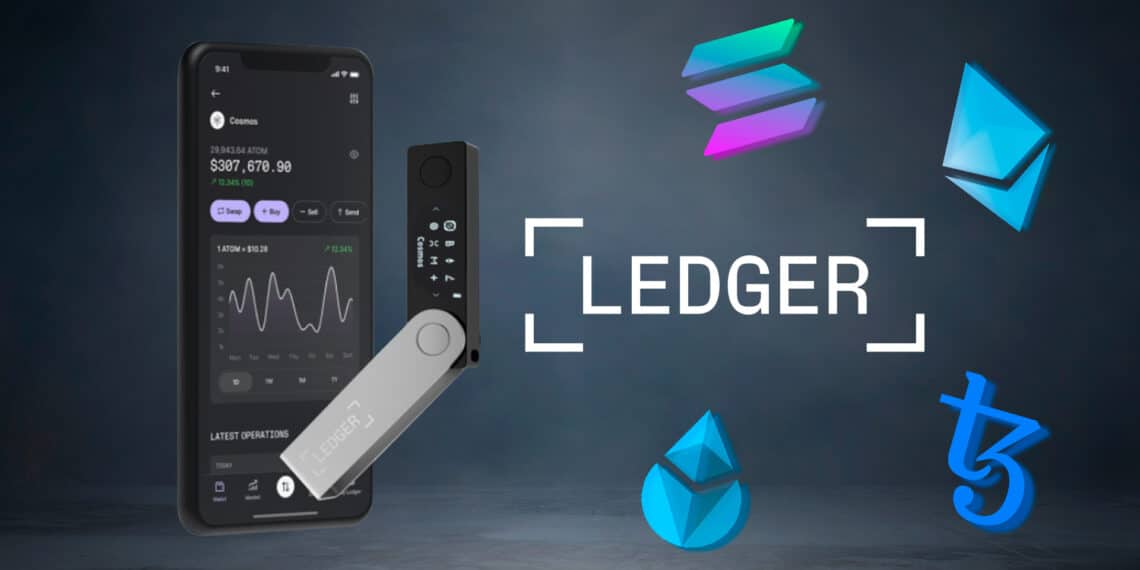
Practical takeaways on Ledger, DeFi, and multi-currency life
Whoa! If you’re asking “Can I use hardware wallets with my favorite DeFi apps?” — the short answer is yes. You can connect your hardware wallet to desktop wallets and browser extensions, then interact with decentralized exchanges, lending protocols, and staking dashboards while your keys never leave the device. For ledger-specific flows and integration details, many folks find the official companion app helpful — check out ledger for the onboarding steps and app list. On the caveat side: when you bridge assets or sign batch approvals, you must audit contract addresses and approval scopes carefully, because a signed transaction is final.
Initially I thought hardware wallets would make DeFi clumsy, but actually they add a meaningful safety layer. A quick example: approving an ERC-20 unlimited allowance with a hot wallet is practically handing custody to a contract; with a hardware wallet you at least have the pause of a confirmation screen that can expose suspicious recipient addresses. On one hand this adds friction to active DeFi traders, though on the other hand it prevents automated siphons and surprise drains for careless users.
I’m not 100% sure about every integration nuance, but here’s how I typically work: use the hardware wallet as the root signer, pair it with a trusted software interface for read-only portfolio tracking, and only connect to high-reputation dApps for active trades. That said, even trusted dApps can be compromised, so I run smaller test transactions first when trying a new protocol—tiny amounts reveal unexpected behaviors without risking big funds.
Multi-currency support: why it matters and where trade-offs hide
Wow! Multi-currency support is a headline feature, but it’s not just about the number of coins. It’s about the quality of support. Some wallets list hundreds of tokens but manage them through third-party integrations that can change overnight. Medium: look for native app support versus community-driven or third-party plugins—native support tends to be more secure and better maintained. Longer thought: when a device supports many chains natively, it usually means the manufacturer has audited the implementation and provides signed firmware updates, which reduces attack surface though it centralizes trust to the vendor.
Here’s what bugs me about token lists: people assume “supported” equals “safe.” Not true. An obscure token might have a malicious contract that tricks interfaces into showing inflated balances or confusing approvals. So whether you’re holding BTC, ETH, Solana, or a niche EVM token, verify transaction details on the device screen whenever possible; that tiny confirmation line is your last line of defense.
I’ll be honest—I prefer devices with a strong mix of major and emerging chain support rather than sheer quantity. Why? Because practical usability beats a laundry list of half-baked integrations. If I had to pick, I’d prioritize hardware wallets that enable direct staking where possible, sign transactions securely for DeFi on major EVM chains, and offer reliable firmware updates that don’t brick the device.
Security hygiene that actually helps
Really? Yes—your setup choices matter beyond the device itself. Use a hardware wallet, but also use it correctly. Short tip: never type your recovery seed into a phone or cloud service. Ever. Medium: write seeds on paper or use a metal backup plate for long-term durability, and store duplicates in separate secure locations. Long thought: consider splitting seeds with a Shamir backup or multi-sig arrangements for very large holdings—this distributes trust and reduces single points of failure, though it can increase operational complexity and recovery time in emergencies.
Something felt off about passphrases when I first heard the hype. Many people treat passphrases like magic. They can be incredibly powerful—they create hidden wallets under the same seed—but they also create single-person failure modes if forgotten. If you add a passphrase, document recovery procedures carefully (securely), and test a full recovery before you trust it with meaningful funds. Don’t be cavalier—practice once or twice.
Minor practicalities: keep firmware up to date, but don’t auto-update during a volatile transaction unless you confirm authenticity. Use a dedicated machine or a clean browser profile when connecting to new DeFi dApps, and prefer official wallets or widely audited third-party interfaces. Oh, and by the way… Bluetooth-enabled devices are convenient, but weigh convenience against the slightly larger attack surface—use wired when you can.
User experience: the real trade-offs
I’ll say it plainly: hardware wallets add friction. That’s their design goal. Short: friction stops mistakes. Medium: you’ll accept more steps, extra confirmations, and sometimes awkward UX, but you’ll gain peace of mind when the market spikes or when a phishing link lands in your inbox. Long: experienced users often create workflows that balance security and usability—like using a “hot pocket” wallet for daily DeFi moves funded by a reserve stored cold and only replenished periodically from the hardware-signed master account—this reduces exposure while letting you remain engaged.
On a practical note, manage expectations. If you expect seamless mobile-first DeFi on a hardware device, there will be compromises. If you prioritize airtight custody over speed, the device is a perfect match. It’s okay to prefer convenience for tiny holdings; it’s also okay to be obsessive about security for larger ones. I’m biased toward caution when capital is material.
FAQ
Can I stake from a Ledger device?
Yes. Many chains support ledger-based staking either directly in the device companion app or through compatible third-party wallets. You sign staking transactions on-device, which keeps private keys offline while delegating or bonding on-chain.
What if I lose my Ledger?
Your seed phrase (and optional passphrase) is the recovery tool. As long as it’s backed up securely, you can restore funds on another device. If you didn’t back up the seed, funds are likely unrecoverable—so back up, and test the recovery process.
Is Bluetooth safe?
Bluetooth adds convenience. It also increases the potential attack surface, though actual attacks are rare. If you worry, use a wired connection for large transactions or disable Bluetooth when possible.
Okay, final thought—I’m realistic about trade-offs. Hardware wallets like Ledger give you practical, battle-tested security, but they require disciplined backups and a little patience. Something about managing keys this way always felt a bit dramatic to me at first, but after a couple of near-misses in my circle, the drama seemed necessary. If you’re protecting real value, that’s fine—embrace the friction, document your recovery plan, and treat your seed like the keys to a house and a safe combined. It’s not sexy, but it works.