
The psychology behind gambling Understanding the emotional highs and lows
The Thrill of Anticipation
The anticipation of winning is a powerful emotional driver in gambling. Players often experience a rush of excitement as they place bets, waiting for the outcome. In this context, exploring various platforms, such as australian online casino accepting neosurf, can enhance their gaming experience. This emotional high is compounded by the unpredictability of gambling, which can amplify feelings of hope and eagerness. The uncertainty involved in games of chance keeps players engaged, as they envision potential wins and dream of life-changing payouts.
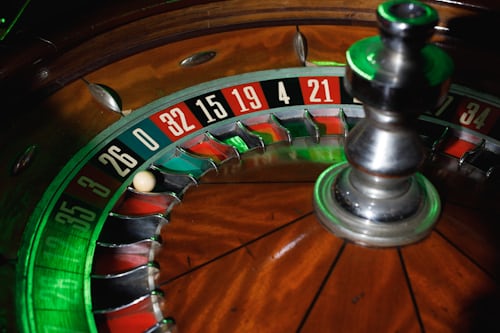
This thrill can lead to a phenomenon known as “gambling euphoria,” where the excitement of the game overshadows rational thinking. Individuals may convince themselves that they are on the verge of a big win, despite the statistical odds not being in their favor. This skewed perception often leads to repeated play, as the emotional highs can be addicting.
The Despair of Loss
Alongside the excitement of potential wins lies the profound emotional impact of losses. The moment a player realizes they have lost their wager can result in feelings of despair, frustration, and even shame. These emotional lows can trigger a range of responses, including anger or a desire to recover losses quickly. This reaction, often referred to as “chasing losses,” can lead individuals down a path of compulsive gambling.
The psychological impact of loss can further exacerbate mental health issues. Many gamblers may turn to gambling as a means of coping with stress or emotional pain, only to find themselves caught in a cycle of loss and despair. This cyclical nature of gambling can have detrimental effects on personal relationships and overall well-being.
The Social Aspect of Gambling
Gambling is not solely an individual activity; it often involves social interaction that can influence behavior. Many people enjoy gambling in social settings, where the atmosphere of camaraderie and shared excitement enhances the experience. This social aspect can create a sense of belonging and community, making the highs and lows of gambling feel more pronounced.
However, social influences can also lead to negative behaviors. Peer pressure may encourage individuals to gamble more than they normally would, blurring the lines between responsible gaming and reckless behavior. The emotional highs from shared wins can lead to an inflated sense of invincibility, while losses may be felt more acutely in a group setting.
The Role of Cognitive Biases
Cognitive biases play a significant role in how gamblers perceive their chances of winning. For example, the “gambler’s fallacy” leads individuals to believe that past outcomes will influence future results, causing them to make irrational betting decisions. This distorted thinking can amplify both the emotional highs of perceived luck and the lows of unexpected losses.
Additionally, the concept of “near misses,” where players almost win, can be particularly deceptive. These situations often evoke feelings of excitement and can falsely reinforce the belief that a win is just around the corner. Such cognitive biases can keep players engaged, despite the reality of their odds, perpetuating the cycle of highs and lows.

Your Journey to Responsible Gambling
Understanding the psychology behind gambling is essential for maintaining a healthy relationship with it. Awareness of emotional highs and lows can help players recognize their triggers and develop strategies to manage their gambling behavior. Responsible gaming practices, including setting limits and taking regular breaks, are crucial in preventing the adverse effects of gambling.
Our website offers valuable resources to guide you on this journey. We provide insights into safe gambling practices, tips for managing your emotions during play, and information about responsible gambling organizations. By equipping yourself with knowledge, you can enjoy the thrill of gambling while minimizing the risks associated with its emotional rollercoaster.