
Understanding the psychology of players in a casino environment
The Allure of the Casino Atmosphere
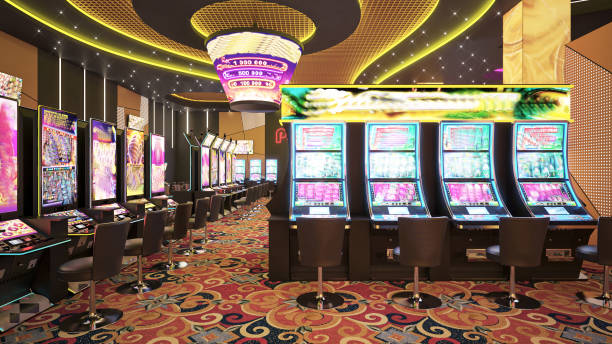
The environment of a casino is carefully crafted to entice and engage players. Bright lights, vibrant sounds, and an overall festive atmosphere create an immersive experience that captivates visitors. This sensory stimulation plays a significant role in influencing player behavior, making them feel more comfortable and willing to spend time and money. Players can even find online pokies available to enhance their gaming sessions, showcasing the blend of traditional and modern gaming experiences, keeping them engaged longer.
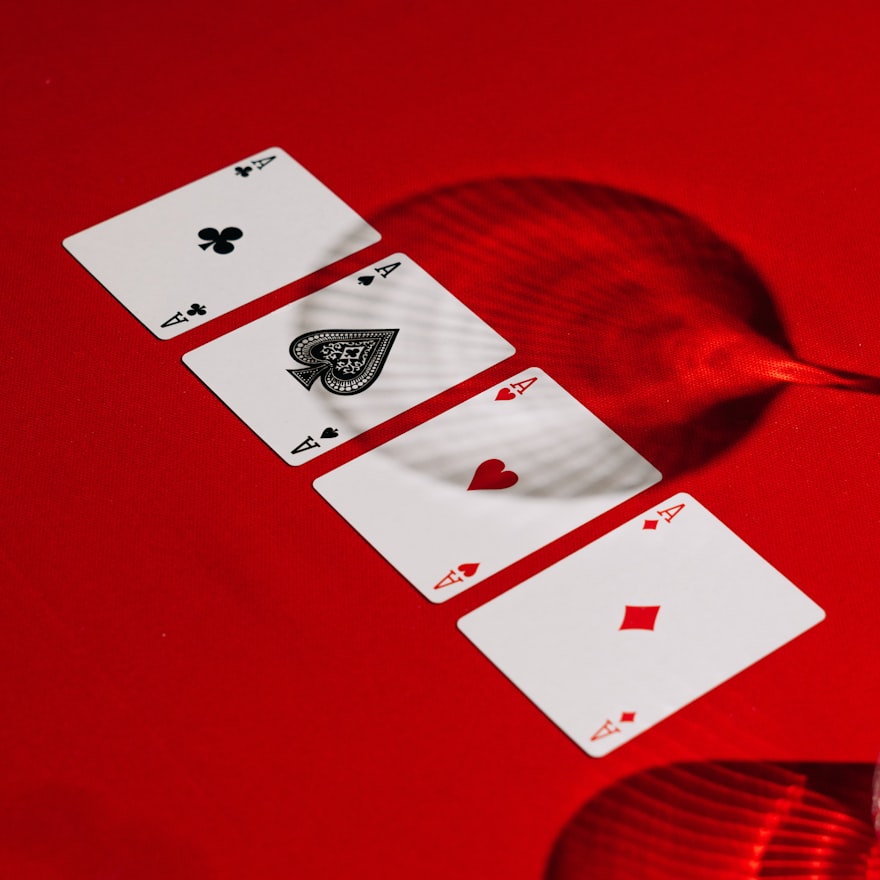
Moreover, the presence of other players enhances the social aspect of gambling. People are drawn to communal experiences, and casinos facilitate this by encouraging interaction through shared games and celebratory moments. This sense of belonging can make players more likely to indulge in high-stakes games, propelled by the excitement of being part of a larger group.
The Role of Risk and Reward
The psychological concept of risk and reward is central to understanding player behavior in casinos. High rollers, in particular, are driven by the thrill associated with wagering substantial amounts of money for the potential of significant returns. This relationship between risk and reward activates dopamine receptors in the brain, producing feelings of pleasure and excitement. Such experiences can become addictive, compelling players to chase the next win.
This dynamic is further intensified by the near-miss phenomenon, where players come close to winning but ultimately lose. Such instances can create a false sense of hope, leading players to continue gambling in the hopes of overcoming their previous losses. This psychological trap is a fundamental reason why casinos see repeated visits from players, especially those who gamble high stakes.
Emotional States and Gambling Decisions
Emotions play a crucial role in the decision-making processes of casino players. Many individuals engage in gambling as a form of escapism, using it to cope with stress, anxiety, or depression. In these states, players may find themselves making impulsive decisions, betting more than they normally would or choosing games that are not aligned with their usual strategies.
As emotions fluctuate, so too do gambling behaviors. For instance, a player who experiences a winning streak may feel invincible and increase their bets, whereas a player on a losing streak may become despondent and desperate to recoup losses. Understanding this emotional volatility is essential for both players and casino operators, as it shapes the overall gambling experience.
The Impact of Bonuses and Promotions
Casinos often utilize bonuses and promotions as a way to attract and retain players. These incentives create a psychological effect known as the “sunk cost fallacy,” where players feel compelled to continue gambling after investing time or money into a promotion. Players may believe that they need to keep playing to maximize the benefits they are offered, driving them to make decisions that they otherwise would not consider.
Additionally, the strategic placement of bonuses can manipulate player behavior. For example, offering a high-stakes bonus can lure in high rollers, while free spins and low-stakes offers attract casual players. Both strategies are designed to appeal to different segments of the gambling population, each with unique psychological triggers, ensuring that the casino maintains a diverse clientele.
Exploring Online Casino Experiences
“`